
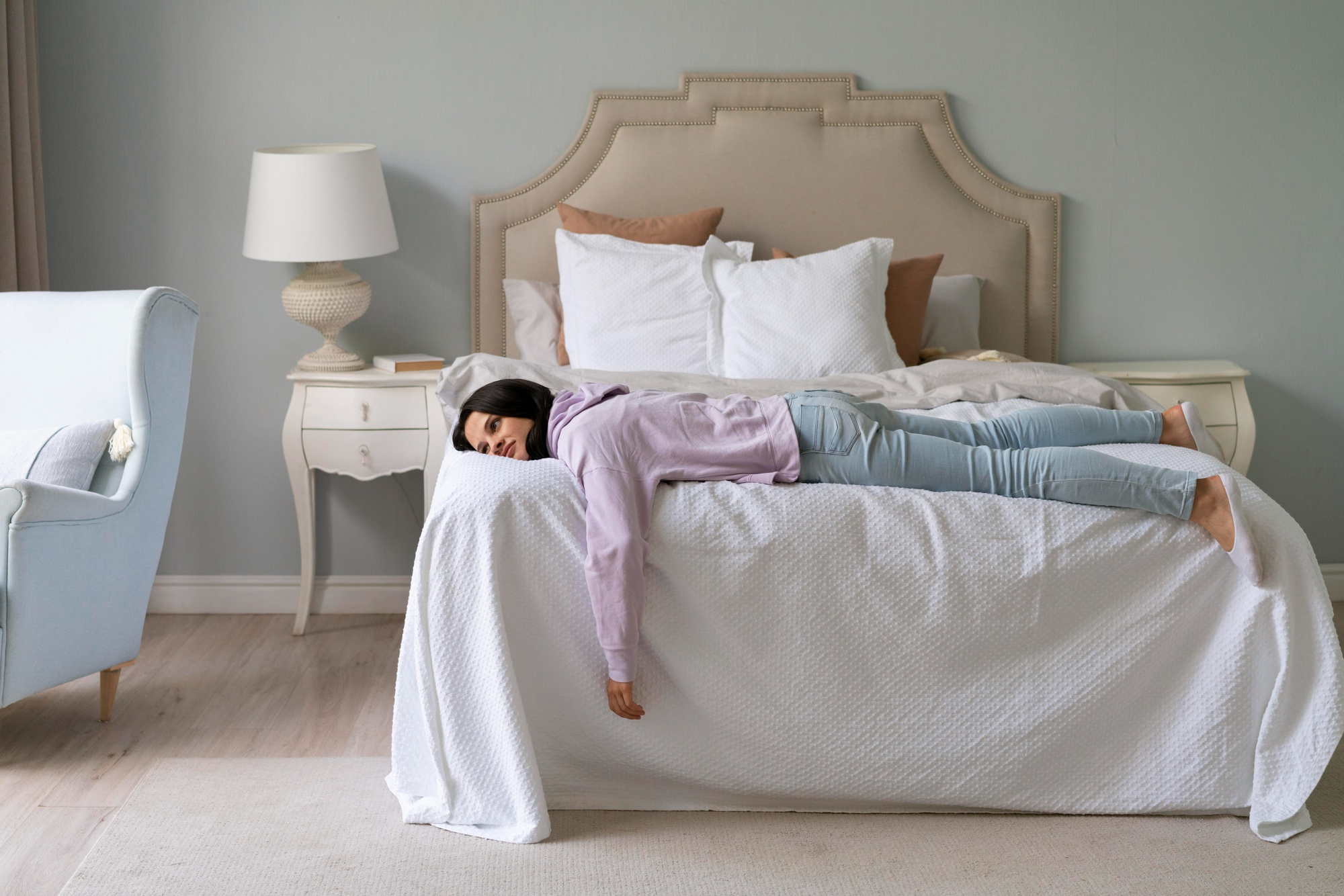
You've got 20 free minutes.
You're tired.
You lie down hoping for a quick nap.
But instead of waking up refreshed, you wake up feeling stiff, groggy, or somehow even more tired than before.
Sound familiar?
Most people blame the nap itself.
But what if the problem isn't the nap?
What if it's the mattress?
At Napmunks, we've spent a lot of time thinking about comfort, recovery, and what makes rest truly restorative. One thing we've learned is that not all mattresses support naps equally well.
A mattress that works for overnight sleep may not always provide the quick comfort your body needs during a short daytime nap.
Why Some Naps Feel Amazing and Others Feel Terrible
Think about the best nap you've ever taken.
Maybe it was on a lazy Sunday afternoon.
Maybe it was during a vacation.
Maybe it lasted only 20 minutes.
Now think about the worst one.
You woke up with:
- Neck pain
- Back stiffness
- Shoulder discomfort
- Brain fog
The difference often comes down to comfort and support.
Your body only has a short window to relax during a nap. If your mattress creates pressure points or doesn't support your posture properly, your body may never fully relax.
Naps Are Different From Nighttime Sleep
This is something most people never think about.
At night, your body has time to settle.
You may shift positions.
You gradually relax deeper into sleep.
During a nap, you don't have that luxury.
You have 10, 20, maybe 30 minutes.
Your mattress needs to help your body relax quickly.
That's one reason many people prefer mattresses that balance comfort and support rather than being extremely soft or extremely firm.
Products such as the NapSense Mattress are designed to create that balance, helping your body settle comfortably whether you're sleeping for eight hours or twenty minutes.
Napmunks Insight: Comfort Is About Recovery
Many mattress advertisements focus on softness.
But softness alone doesn't guarantee comfort.
We've observed that people often describe a mattress as comfortable when it helps them wake up feeling better—not when it simply feels soft.
Recovery matters.
A good nap should leave you feeling:
- Refreshed
- Clear-headed
- Energized
- Relaxed
If you consistently wake up uncomfortable, your sleep environment may need attention.
How the Wrong Mattress Affects Nap Quality
A mattress can interfere with naps in several ways.
Poor Support
If your body sinks too deeply, your muscles may remain under tension.
Pressure Points
Shoulders, hips, and lower back areas may experience discomfort.
Heat Retention
A mattress that traps heat can make it harder to relax.
This becomes especially important during Indian summers, which is why our guide on Best Mattress for Hot Weather in India has become such a popular topic among readers.
Inconsistent Comfort
A mattress that initially feels comfortable may not remain comfortable after your body settles.
This is something we discuss further in Why Some Mattresses Feel Comfortable for 10 Minutes but Not 8 Hours.
Don't Forget About Your Pillow
Sometimes the mattress isn't the real problem.
Many people who wake up uncomfortable after naps discover that their pillow is contributing to the issue.
A poor pillow can affect:
- Neck alignment
- Shoulder comfort
- Sleep posture
Pairing your mattress with a supportive Napmunks pillow can help improve overall comfort and recovery.
You can learn more in Best Pillow for Neck Pain and Shoulder Stiffness.
Can a Better Mattress Improve Daytime Energy?
Surprisingly, yes.
The quality of your rest affects more than sleep.
It can influence:
- Focus
- Mood
- Productivity
- Recovery
- Energy levels
A good nap isn't just about sleeping.
It's about recharging.
That's why many people find that upgrading their sleep setup improves how they feel throughout the day—not just at night.
What Should You Look For in a Nap-Friendly Mattress?
If naps are part of your routine, look for:
Balanced Comfort
Not excessively soft.
Not excessively firm.
Pressure Relief
Especially around shoulders and hips.
Breathability
To prevent overheating.
Consistent Support
Support should remain effective as your body relaxes.
The NapRelief Mattress and broader Napmunks sleep collection are designed with these principles in mind.
Why Napmunks Cares About Naps
Most sleep brands focus exclusively on nighttime sleep.
We think naps deserve more attention.
Because sometimes the difference between a frustrating afternoon and a productive one is just 20 minutes of quality rest.
A great nap isn't accidental.
It's supported by comfort, recovery, and the right sleep environment.
Learn more about our philosophy on the About Napmunks page.
Conclusion
Can the wrong mattress ruin a good nap?
Absolutely.
A nap may be short, but comfort still matters.
The right mattress can help your body relax faster, recover more effectively, and wake up feeling refreshed instead of restless.
Whether you're looking to improve your afternoon naps or your nighttime sleep, investing in comfort is really an investment in recovery.
Explore the NapSense Mattress, NapRelief Mattress, and the complete Napmunks sleep collection to create a better environment for rest.
FAQs
Can a mattress really affect nap quality?
Yes. Comfort, support, pressure relief, and temperature all influence how restorative a nap feels.
What type of mattress is best for naps?
Most people benefit from a mattress that balances comfort and support rather than extreme softness or firmness.
Why do I wake up tired after a nap?
Poor sleep posture, inadequate support, overheating, or sleeping too long may all contribute.
Can a pillow affect naps?
Absolutely. Neck support plays a major role in comfort and recovery.
How long should a nap be?
For most people, 10–20 minutes is ideal for improving alertness without causing grogginess.