
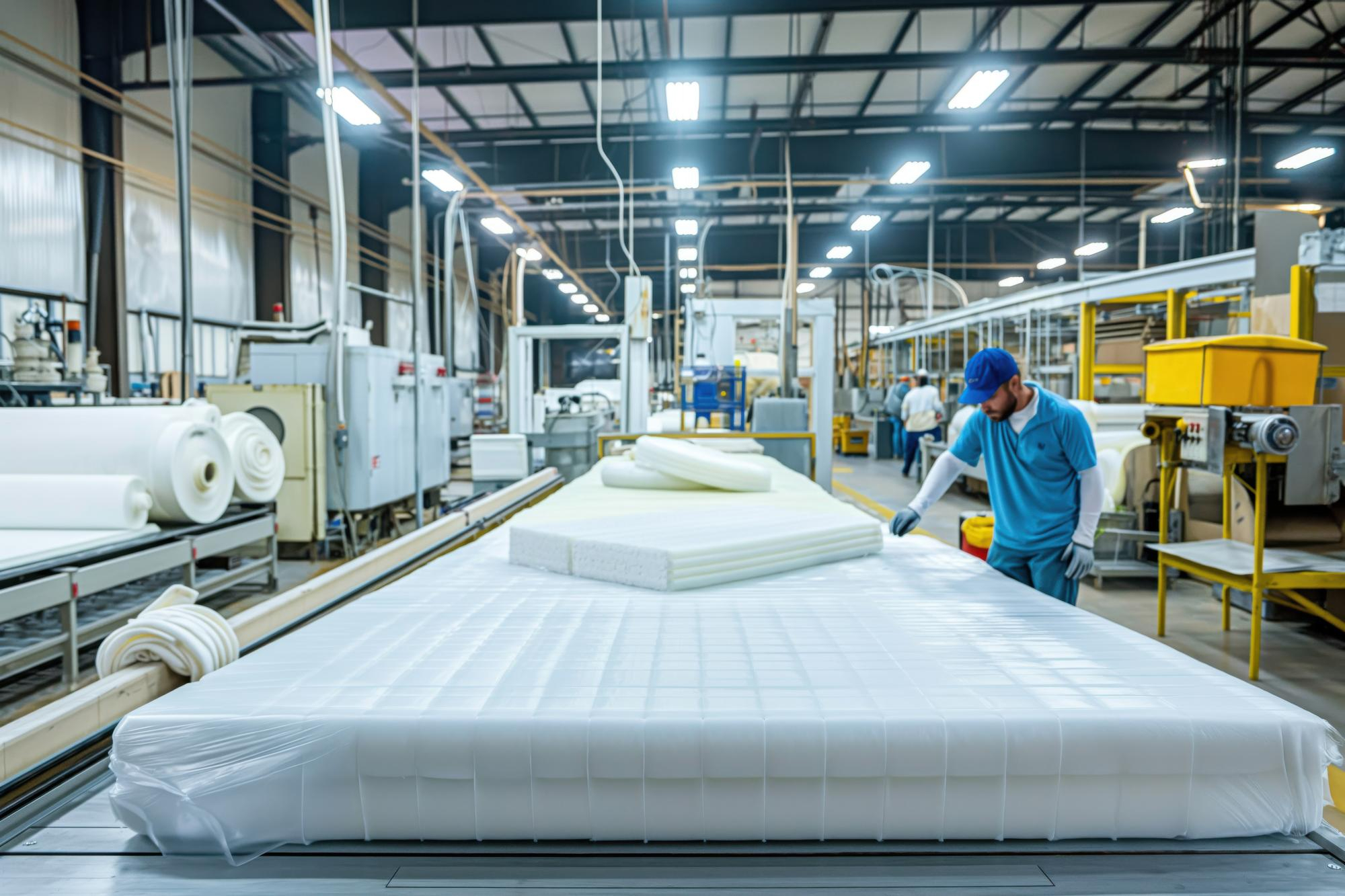
When most people buy a mattress, they focus on one question:
"Is it comfortable?"
But mattress engineers ask a very different question:
"Why is it comfortable?"
The answer involves much more than softness.
Modern mattresses are no longer simple layers of foam covered with fabric. Today's sleep products are designed using material science, pressure distribution principles, ergonomic support systems, and years of manufacturing expertise.
At Napmunks, we believe understanding what goes inside a mattress helps people make better decisions about what they sleep on every night.
Because great sleep doesn't happen by accident.
It's engineered.
A Mattress Has One Job
At its core, every mattress is designed to do three things:
- Support the body
- Relieve pressure
- Promote recovery
The challenge is balancing all three simultaneously.
Too soft and the body may sink excessively.
Too firm and pressure points can develop.
Too little support and spinal alignment may suffer.
Modern mattress engineering focuses on finding the right balance.
The Science Behind Sleep Comfort
Comfort is surprisingly complex.
When you lie down, your body weight isn't distributed evenly.
Areas such as:
- Shoulders
- Hips
- Lower back
carry more pressure than others.
A mattress must respond differently to different parts of the body.
This is why modern sleep systems use multiple layers with specific purposes.
Some layers provide comfort.
Others provide support.
Others improve durability.
Together, they create a balanced sleep surface.
Why Foam Engineering Matters
One of the biggest advances in mattress design has been foam engineering.
Not all foam performs the same way.
Different foam formulations influence:
- Support
- Pressure relief
- Recovery
- Durability
- Temperature regulation
This is why understanding What Makes High-Quality Foam Different From Ordinary Foam? is important when evaluating mattress quality.
The foam inside a mattress often determines how it feels years later—not just on the first day.
Napmunks Insight: Good Sleep Starts Long Before Bedtime
Many people think sleep quality begins when they close their eyes.
In reality, it starts with the environment supporting that sleep.
The mattress plays a significant role because it influences how effectively the body relaxes throughout the night.
Engineering a mattress isn't about creating softness.
It's about creating support that feels comfortable.
Why Mattress Support Matters More Than Most People Realize
Support is what helps maintain natural spinal alignment.
A properly engineered mattress helps keep the:
- Neck
- Shoulders
- Back
- Hips
working together in a balanced position.
Without adequate support, muscles often remain under tension while sleeping.
This is why many people wake up feeling stiff even after spending eight hours in bed.
We explore this further in Why Mattress Support Matters More Than Mattress Softness.
Pressure Relief Is a Design Feature
One of the goals of mattress engineering is reducing concentrated pressure.
When pressure accumulates in certain areas, sleepers often experience:
- Discomfort
- Tossing and turning
- Interrupted sleep
Modern comfort layers are designed to distribute weight more evenly across the mattress surface.
This helps create a more comfortable and restorative sleep experience.
Temperature Is Part of Sleep Engineering
Many people don't associate temperature with mattress design.
Engineers do.
Heat can influence:
- Comfort
- Sleep quality
- Recovery
- Sleep duration
Mattress materials are often selected and structured with airflow and heat management in mind.
This becomes especially important in climates like India, where warm temperatures can significantly affect sleep comfort.
Our article on Why Your Mattress Feels Different During Summer explores this relationship further.
Why Durability Starts at the Manufacturing Stage
A mattress should perform consistently over time.
That consistency depends heavily on:
- Material quality
- Foam density
- Manufacturing standards
- Quality control
This is one reason manufacturing expertise plays such an important role in mattress performance.
The decades of experience behind Parshva Mattress & Foam help ensure that materials are produced with reliability and consistency in mind.
Because comfort should last longer than a showroom visit.
How Engineering Shapes the Napmunks Collection
Every product in the Napmunks sleep collection is built around the idea that comfort and support should work together.
Products such as the NapSense Mattress and NapRelief Mattress are designed to provide:
- Balanced support
- Pressure relief
- Long-term comfort
- Recovery-focused performance
rather than focusing on softness alone.
The Future of Mattress Design
The mattress industry continues to evolve.
Future innovations will likely focus on:
- Better pressure distribution
- Improved temperature management
- Enhanced durability
- Smarter material technologies
But one thing won't change.
The goal remains helping people sleep better.
Conclusion
Modern mattresses are far more sophisticated than they appear.
Behind every comfortable night's sleep is a combination of material science, support engineering, pressure relief design, and manufacturing expertise.
Understanding these factors helps explain why some mattresses continue performing year after year while others lose comfort quickly.
Because great sleep isn't simply created by comfort.
It's created through thoughtful engineering.
Explore the NapSense Mattress, NapRelief Mattress, and the complete Napmunks sleep collection to learn how modern mattress design supports better rest and recovery.
FAQs
What is mattress engineering?
Mattress engineering is the process of designing sleep products using material science, support systems, pressure relief principles, and manufacturing expertise.
Why do modern mattresses have multiple layers?
Different layers perform different functions such as comfort, support, pressure relief, and durability.
How does foam affect mattress performance?
Foam influences comfort, support, temperature regulation, durability, and recovery.
Why is spinal alignment important during sleep?
Proper spinal alignment helps reduce strain on muscles and joints, improving sleep quality and comfort.
What makes a well-engineered mattress?
A well-engineered mattress balances support, pressure relief, durability, comfort, and recovery-focused design.