
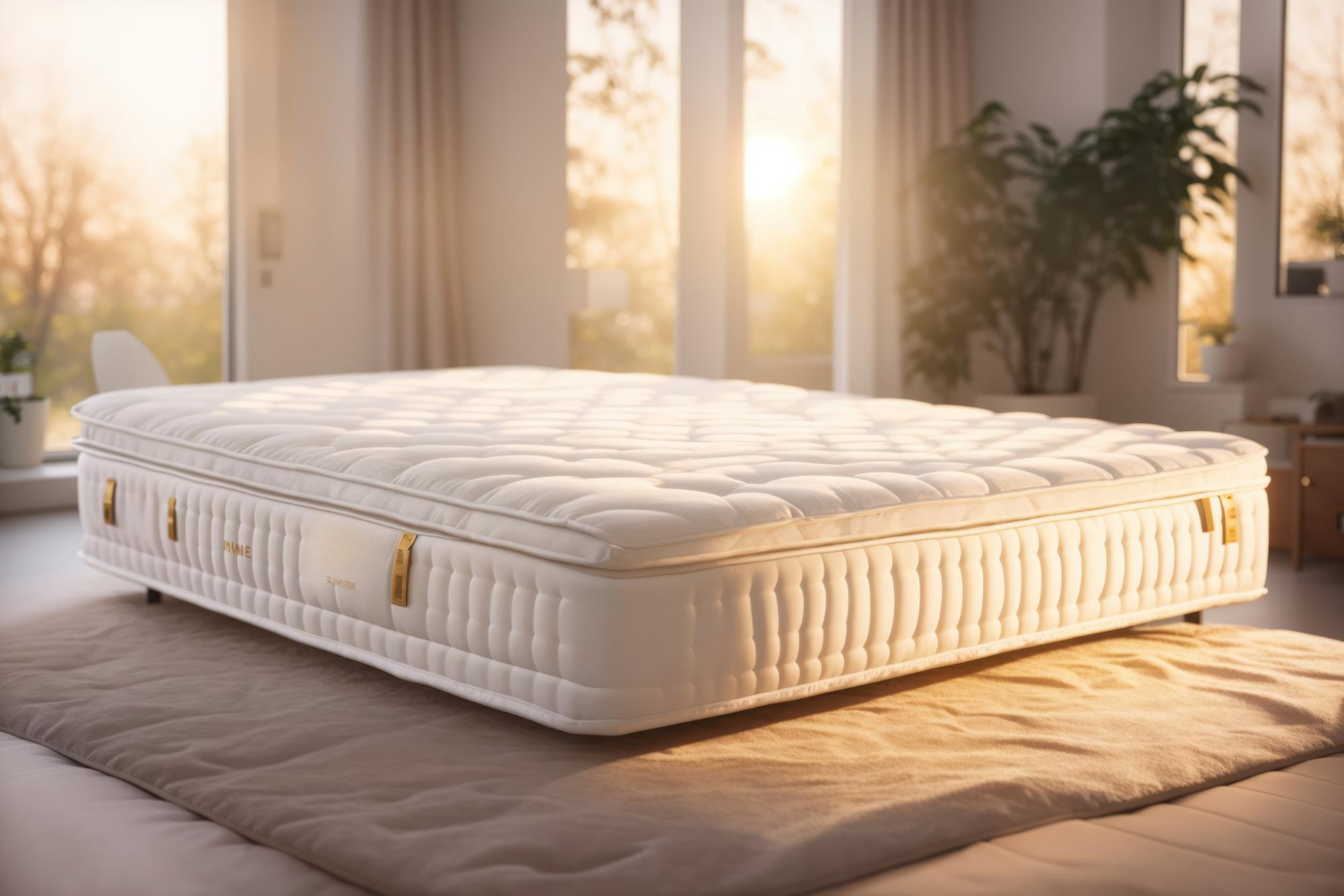
How Long Does a Mattress Typically Last?
While there is no universal replacement timeline, most mattresses last between:
- 7 to 10 years
Several factors influence lifespan:
- Material quality
- Foam density
- Daily usage
- Body weight
- Maintenance habits
- Environmental conditions
Higher-quality materials often maintain comfort and support for longer periods.
As discussed in Understanding Foam Density: What Every Mattress Buyer Should Know, the quality of materials inside a mattress often affects longevity more than thickness alone.
Sign #1: You Wake Up Feeling Tired
One of the earliest signs of mattress deterioration is waking up tired despite getting enough sleep.
When support layers begin to break down, your body works harder throughout the night to find comfortable sleeping positions.
This can interrupt deeper sleep stages and reduce recovery.
If you consistently wake up feeling exhausted, read Why Do I Wake Up Tired Even After Sleeping 8 Hours? to understand other factors that may be affecting sleep quality.
Sign #2: You Wake Up With Back, Neck, or Shoulder Pain
A mattress should help maintain proper spinal alignment.
As mattresses age, support systems can weaken.
This may result in:
- Lower back pain
- Shoulder discomfort
- Neck stiffness
- Hip pressure
If these symptoms disappear when sleeping elsewhere, your mattress may be the issue.
Sign #3: Visible Sagging or Indentations
A mattress should return to its original shape after use.
Visible body impressions, sagging areas, or uneven surfaces often indicate material fatigue.
These changes can negatively affect:
- Posture
- Comfort
- Pressure relief
- Sleep quality
A mattress that looks uneven usually feels uneven too.
Sign #4: You Sleep Better in Hotels
Many people notice they sleep significantly better during vacations or hotel stays.
This isn't always because they're relaxed.
Hotels often invest in hospitality sleep systems designed around:
- Consistent support
- Pressure relief
- Durability
- Comfort engineering
If you've ever wondered why hotel beds feel better, read Why Do Hotel Beds Feel More Comfortable Than Home Beds?.
Sign #5: Your Mattress Feels Too Hot
Older mattresses often lose airflow efficiency.
This can contribute to:
- Overheating
- Sweating
- Restless sleep
- Frequent waking
Heat retention becomes especially problematic in Indian climates.
If temperature is affecting your sleep, read Best Mattress for Hot Weather in India.
Sign #6: Your Comfort Preferences Have Changed
Your body changes over time.
Factors such as:
- Age
- Weight
- Health
- Lifestyle
- Sleep habits
can influence comfort needs.
A mattress that felt perfect ten years ago may no longer provide the support you need today.
Understanding comfort levels can help.
Read Which Mattress Firmness Is Best for You? to determine whether your current mattress still matches your sleep style.
Sign #7: Your Mattress Is Over 8 Years Old
Even if a mattress appears fine externally, internal materials gradually wear down.
Foam layers lose resilience.
Support systems weaken.
Pressure relief decreases.
After years of nightly use, even quality mattresses begin to lose performance.
This is why many manufacturers recommend evaluating mattress condition after seven to eight years.
Why Replacing a Mattress Can Improve Sleep
A new mattress can help:
- Improve posture
- Reduce pressure points
- Enhance comfort
- Improve temperature regulation
- Support better recovery
- Reduce sleep interruptions
Modern mattresses are also designed using more advanced materials and comfort technologies than products available a decade ago.
To learn how modern mattress construction has evolved, read The Science Behind Every Napmunks Mattress: Inside the Manufacturing Expertise of Parshva Mattress & Foam.
How to Extend Mattress Lifespan
To maximize durability:
Rotate Regularly
Helps distribute wear more evenly.
Use a Mattress Protector
Protects against spills, moisture, and dust.
Maintain Proper Support
Ensure the mattress is placed on a suitable foundation.
Follow Manufacturer Guidelines
Proper maintenance helps preserve comfort and support.
Conclusion
Replacing a mattress isn't just about buying something new.
It's about maintaining the comfort, support, and sleep quality your body needs.
If you experience persistent discomfort, visible wear, overheating, or poor sleep quality, your mattress may be telling you it's time for an upgrade.
A quality sleep environment begins with quality support.
Explore the Napmunks Product Collection and discover sleep solutions designed to deliver long-lasting comfort, support, and better rest.
You can also continue reading:
- Why Do I Wake Up Tired Even After Sleeping 8 Hours?
- Why Do Hotel Beds Feel More Comfortable Than Home Beds?
- Best Mattress for Hot Weather in India
- Which Mattress Firmness Is Best for You?
- Understanding Foam Density: What Every Mattress Buyer Should Know
FAQs
How often should you replace a mattress?
Most mattresses should be evaluated for replacement after 7–10 years, depending on quality and usage.
What are signs that I need a new mattress?
Common signs include sagging, discomfort, poor sleep quality, overheating, and waking up with aches or stiffness.
Can an old mattress cause back pain?
Yes. A worn-out mattress may no longer provide adequate support, leading to poor spinal alignment and discomfort.
Why do I sleep better away from home?
Hotels often use hospitality-grade sleep systems designed for consistent comfort, support, and durability.
Does mattress quality affect lifespan?
Absolutely. Higher-quality materials and better manufacturing standards typically result in longer-lasting comfort and support.