
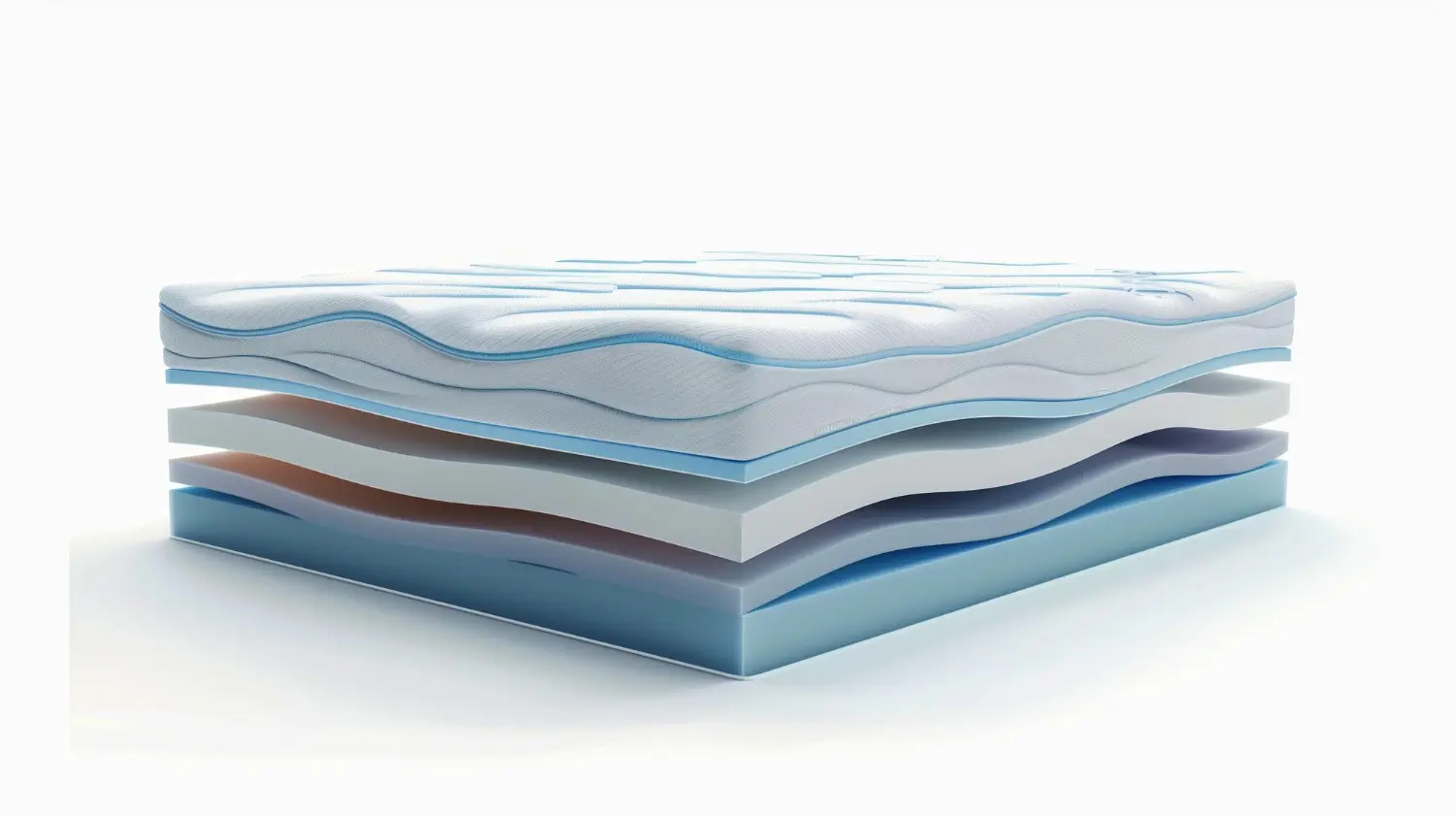
A mattress is no longer simply a padded surface designed for sleeping. Modern mattress design brings together material science, comfort engineering, pressure distribution, temperature management and structural support to create a more sophisticated sleep experience.
As consumer expectations evolve, mattress technology is moving beyond the traditional choice between soft and firm. Today, the way different materials work together can be just as important as the materials themselves.
This shift is reflected in the development of advanced mattress designs by brands such as Napmunks, which approaches sleep essentials through engineered comfort, layered construction and technology-led product design.
What Is Multi-Layer Mattress Engineering?
Multi-layer mattress engineering is the process of designing a mattress using different materials and structural layers, each selected to perform a specific function.
Rather than relying on one material to provide every aspect of comfort, a layered mattress can combine:
- A comfort layer that shapes the initial feel of the mattress
- A pressure-relief layer that helps distribute body weight
- A support layer that contributes to structural stability
- Zoned layers designed to provide different levels of support across the body
- Cooling or breathable components that help manage the sleep surface environment
The purpose is not simply to add more layers. It is to create a coordinated system in which each layer contributes to the overall performance of the mattress.
This approach is central to the development of advanced mattresses by Napmunks, where different product constructions are designed to address different comfort and support preferences.
Why Mattress Materials Matter More Than Ever
The performance of a mattress depends on more than its thickness or surface softness. Material properties influence how a mattress responds to pressure, movement, body weight and temperature.
Modern mattress engineering considers how materials behave individually and how they interact when combined.
Latex: Responsive Comfort and Support
Latex is valued in mattress construction for its responsive feel and ability to adapt to pressure while retaining a supportive character.
Depending on the design, latex may be used in comfort layers, support zones or quilted surfaces. Its role can vary according to the density, thickness and position of the layer.
For example, the NapSense Mattress combines a latex quilt with a seven-zone latex support system, bringing together surface comfort and structured support in one design.
Memory Foam: Adaptive Pressure Relief
Memory foam is commonly used to create a more contouring feel. It responds to body pressure and can help distribute weight across the sleep surface.
In a multi-layer construction, memory foam may be positioned above or alongside other materials to balance contouring with responsiveness and support.
The NapRelief Mattress combines a pressure-relief memory layer with latex comfort and an adaptive hybrid HR profile, illustrating how different materials can be integrated into a single mattress design.
High-Resilience Foam: Structural Performance
High-resilience foam can contribute to the supportive structure of a mattress. Its role depends on the formulation and construction, but it is often used to provide a more responsive foundation beneath softer comfort materials.
The interaction between comfort foam and support foam helps determine how a mattress feels when someone lies down, changes position or moves across the surface.
Organic and Breathable Fabrics: The First Layer of Experience
The fabric and quilting are the first materials a sleeper encounters. They influence the initial tactile experience and can contribute to breathability and surface comfort.
In an engineered mattress, the cover is not simply decorative. It forms part of the overall construction and works with the layers beneath it.
How Different Mattress Layers Work Together
The defining feature of multi-layer mattress engineering is the interaction between layers.
A comfort layer may create a softer initial feel, while a deeper support layer helps maintain the mattress’s structure. A pressure-relief layer may reduce concentrated pressure, while zoned support changes how the mattress responds across different areas.
When these components are designed as a system, the mattress can offer a more balanced experience than a single-material construction.
Comfort Layers: Shaping the First Impression
The upper layers influence how the mattress feels when a person first lies down. They may provide cushioning, contouring or a responsive surface feel.
The thickness and material of these layers can change the overall sensation of the mattress, even when the underlying support structure remains similar.
Support Layers: Building the Foundation
Support layers contribute to the mattress’s structural performance. They help determine how the mattress responds to body weight and how stable the surface feels.
A mattress with a comfortable top layer still needs a well-designed support structure beneath it. This is why mattress engineering considers the full construction rather than focusing only on surface softness.
Zoned Support: Designing for Different Areas of the Body
Zoned support introduces variations in the mattress construction across different sections of the sleep surface.
Instead of using identical support throughout, a zoned design may be developed to respond differently around areas such as the shoulders, torso and hips.
Napmunks incorporates zoned support into selected products, including the NapAlign Mattress, which features five-zone alignment support, and the NapBreeze Mattress, which combines seven-zone organic latex with cooling technology.
Cooling Technology as Part of Mattress Engineering
Temperature management has become an important consideration in mattress design, particularly for sleepers who experience warm or humid nights.
Cooling performance is not determined by one feature alone. It can depend on the materials used, the mattress’s construction, the airflow characteristics of its layers and the way the sleep surface interacts with the sleeper.
Some mattress designs incorporate phase-change materials, breathable components or cooling layers to help manage the temperature experience.
Phase-Change Materials and Temperature Regulation
Phase-change materials, often referred to as PCMs, are designed to absorb and release heat as they transition between physical states.
In mattress applications, this technology can contribute to temperature regulation at the sleep surface. Its performance depends on the material, its placement and the overall construction.
The NapBreeze Mattress and NapChill Mattress incorporate Smart Regulator PCM technology alongside other cooling and support components.
Why Cooling Works Best as a System
A cooling component is only one part of the mattress. Its effect can be influenced by the surrounding materials and the overall construction.
This is why a technology-led mattress approach considers how cooling layers work with comfort materials, support layers and the mattress cover.
For a closer look at temperature-focused mattress design, explore how cooling technology is changing the way India sleeps.
Multi-Layer Mattress Engineering and Personalised Comfort
Different sleepers have different comfort preferences. Some prefer a more responsive surface, while others favour a contouring feel. Sleeping position, body proportions and sensitivity to movement can also influence mattress preference.
Multi-layer construction gives mattress designers more ways to create distinct comfort profiles without relying on one universal material.
Different Constructions for Different Preferences
A mattress designed around balanced cushioning may feel different from one built with more pronounced pressure relief or cooling features.
Napmunks offers a range of mattress constructions to address different preferences, including:
- NapCalm, designed around balanced cushioning and responsive support
- NapAlign, featuring engineered support layers and five-zone alignment support
- NapRelief, combining pressure-relief memory foam, latex comfort and an adaptive hybrid profile
- NapEco, featuring breathable construction and conscious material choices
These differences highlight why choosing a mattress should involve more than comparing thickness or selecting a firmness label.
The Role of Mattress Engineering in Motion Isolation
In shared sleeping environments, movement transfer can influence the overall sleep experience.
A mattress’s ability to manage movement depends on factors such as material response, layer arrangement and structural design. Some materials absorb movement differently from others, while certain constructions can help reduce the extent to which movement travels across the surface.
Layered mattress design allows manufacturers to consider motion isolation alongside comfort and support.
Read more about the science behind motion isolation to understand why mattress construction can influence movement transfer.
How to Evaluate an Engineered Mattress Before Buying
A mattress may contain several advanced materials, but the right choice depends on how its construction aligns with your needs.
When comparing mattresses, consider the following:
Look Beyond the Number of Layers
More layers do not automatically mean better performance. Focus on what each layer is designed to do and how the materials work together.
Understand the Support Structure
Consider the mattress’s support system, including whether it uses zoned support, responsive foam or other structural components.
Evaluate the Comfort Profile
Think about whether you prefer a more responsive, contouring, balanced or cushioned feel. The material composition and layer arrangement contribute to these differences.
Consider Temperature Preferences
If you tend to sleep warm, look for clearly described cooling or breathable features. Remember that cooling performance can depend on the complete mattress construction and your sleep environment.
Check the Product-Specific Features
Not every mattress includes the same technologies. Review the specifications of the individual product rather than assuming that a feature available in one model is included across the entire range.
You can compare the available designs through the Napmunks mattress collection.
Napmunks: Bringing Material Innovation Into Modern Mattress Design
Napmunks represents a new-generation approach to mattress design, bringing together comfort-focused construction, material selection and technology-led features.
Connected to the manufacturing expertise of Parshva Mattress & Foam, the brand’s product range includes mattresses designed with different combinations of support, pressure relief, cooling and comfort materials.
From zoned latex support in NapSense to cooling-focused construction in NapBreeze and NapChill, the range demonstrates how mattress engineering can take different forms depending on the intended sleep experience.
Explore the Napmunks story to learn more about the brand’s approach to engineered sleep essentials.
The Future of Mattress Engineering
The future of mattress design will continue to be shaped by material innovation, more deliberate layer integration and a growing understanding of different sleep preferences.
As mattress technology advances, the focus will not simply be on adding more features. It will be on creating better-coordinated systems in which each material and component contributes to the overall experience.
Multi-layer mattress engineering is an important part of this evolution. By combining comfort materials, support structures, zoned designs and temperature-focused technologies, modern mattresses can offer a more considered approach to everyday sleep.
For consumers exploring a more advanced mattress, the key is to understand the construction behind the comfort—and choose a design that aligns with their individual preferences.
Frequently Asked Questions
What is a multi-layer mattress?
A multi-layer mattress uses different materials and structural layers, each designed to contribute to aspects such as comfort, pressure relief, support, responsiveness or temperature management.
Are more mattress layers always better?
No. The number of layers alone does not determine mattress quality. The materials, construction and way the layers work together are more important than simply having more layers.
What materials are used in advanced mattresses?
Advanced mattresses may use latex, memory foam, high-resilience foam, breathable fabrics and specialised cooling materials. The combination varies by product and its intended comfort profile.
What is zoned support in a mattress?
Zoned support uses different support characteristics across sections of the mattress. It is designed to respond to different areas of the body rather than providing identical support throughout the surface.
How does cooling technology work in a mattress?
Cooling technology may use breathable materials, specialised fabrics or phase-change materials designed to absorb and release heat. Its performance depends on the specific technology and the complete mattress construction.
Which Napmunks mattress should I choose?
The right mattress depends on your comfort preferences and the features you prioritise. Compare the construction and specifications of the Napmunks mattress range to identify the design that best suits your needs.
Where can I explore Napmunks mattresses?
You can explore the complete range on the official Napmunks website or contact the team for further product information.