
Twenty years ago, buying a mattress was simple.
You chose between cotton, coir or spring.
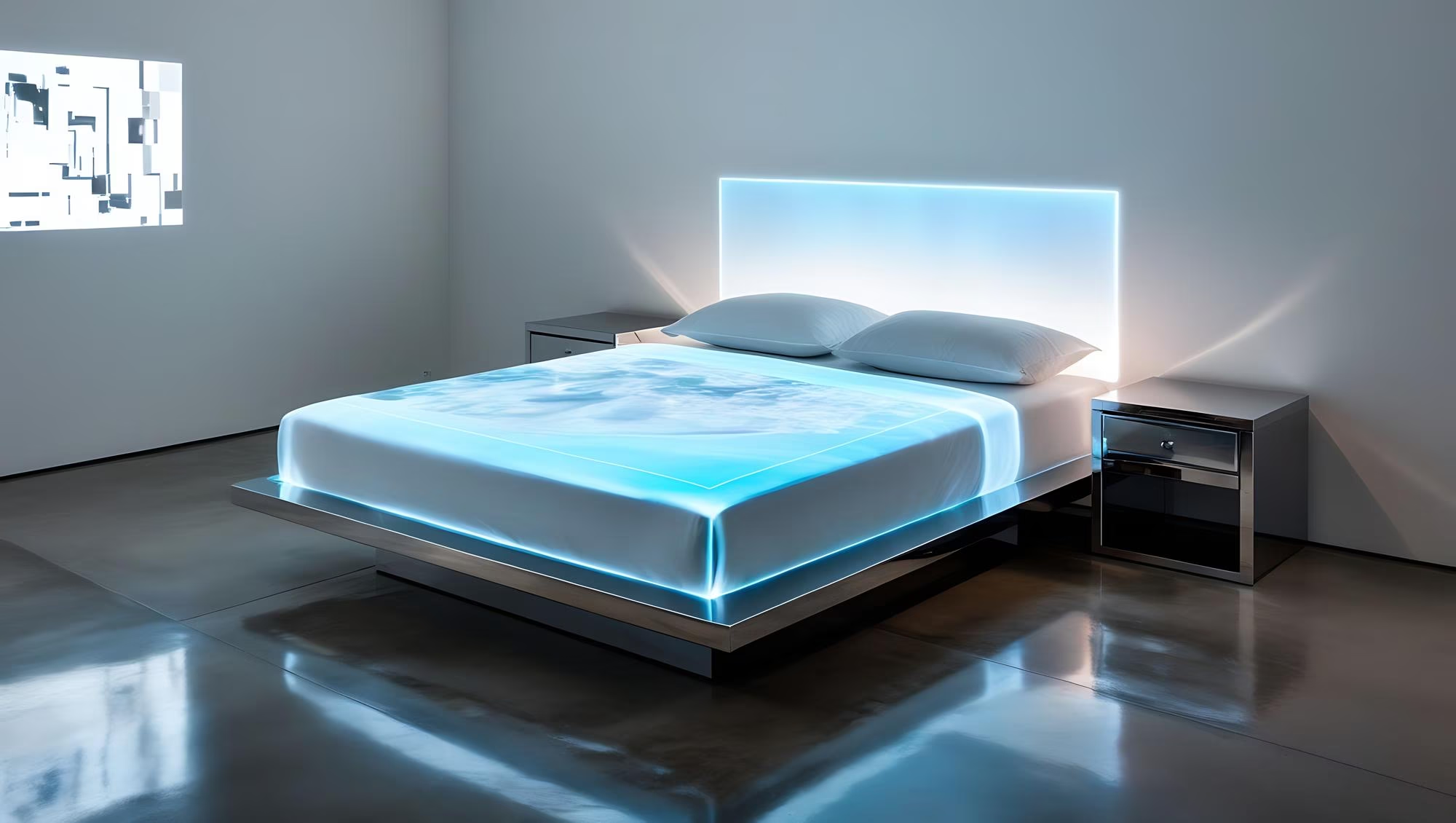
Today, a mattress is no longer just layers of foam stitched together.
It's a product of engineering, material science, ergonomics, and sleep technology.
From cooling fabrics that help regulate temperature to adaptive comfort layers that respond differently to different parts of your body, modern mattresses have evolved into sophisticated sleep systems.
At Napmunks, we believe the future of sleep isn't just softer.
It's smarter.
Because the best mattress isn't simply the one that feels comfortable in a showroom—it's the one that continuously supports your body, manages temperature, reduces motion transfer, and helps you wake up feeling refreshed every single day.
The Evolution of the Mattress
The mattress has quietly become one of the most engineered products inside a modern home.
What was once a simple sleeping surface now combines innovations borrowed from industries such as:
- Material engineering
- Biomedical research
- Ergonomics
- Polymer science
- Textile technology
Every layer inside a modern mattress has a purpose.
Every material solves a specific problem.
Technology #1: Cooling Systems
One of the biggest complaints among sleepers is heat.
Modern cooling mattresses address this using multiple technologies rather than relying on a single material.
These include:
- Cooling fabric covers
- Open-cell foam
- Airflow channels
- Gel-infused comfort layers
- High-resilience breathable foam
Together, these technologies help create a cooler and more comfortable sleep environment.
Read more in our guide to Cooling Mattresses Explained: How Temperature-Regulating Sleep Technology Works.
Technology #2: Motion Isolation
Sharing a bed shouldn't mean sharing every movement.
Motion isolation technology reduces the transfer of movement across the mattress, helping couples enjoy a quieter, less interrupted sleep.
Instead of allowing vibrations to travel across the bed, engineered foam absorbs and disperses energy before it reaches the other sleeper.
Discover how it works in The Science Behind Motion Isolation: Why You Don't Feel Your Partner Move.
Technology #3: Pressure Relief
Every body creates pressure.
The question is how your mattress responds.
Modern pressure-relief systems are engineered to distribute body weight more evenly, helping reduce pressure around areas such as:
- Shoulders
- Hips
- Lower back
This improves both comfort and long-term support.
Technology #4: Adaptive Comfort Layers
One firmness doesn't suit every sleeper.
Adaptive comfort layers allow the mattress to respond differently depending on:
- Body weight
- Sleeping position
- Pressure points
This creates a sleeping surface that feels supportive without feeling rigid.
Technology #5: High-Performance Foam
Foam technology has evolved dramatically.
Today's premium foams are engineered for:
- Better airflow
- Higher durability
- Faster recovery
- Improved resilience
- Long-term structural stability
This is why two mattresses with the same thickness can perform completely differently over time.
Technology #6: Ergonomic Support Systems
Modern mattresses aren't flat slabs of foam.
Many now incorporate ergonomic support zones designed to provide different levels of support across different areas of the body.
For example:
- Softer shoulder zones
- Firmer lumbar support
- Balanced hip support
The result is better spinal alignment without sacrificing comfort.
Technology #7: Smart Sleep Innovation
The next generation of mattresses is already here.
Globally, manufacturers are introducing features such as:
- Sleep tracking
- Smart sensors
- Automatic firmness adjustment
- Climate control
- AI-powered sleep insights
These technologies are redefining what a mattress can do.
Technology Should Solve Problems
At Napmunks, we believe technology only matters when it improves everyday life.
A mattress doesn't become "high-tech" because it has more features.
It becomes high-tech because those features solve real problems.
Helping people sleep cooler.
Move less.
Recover better.
Wake up refreshed.
That's the philosophy behind products like the NapSense Mattress and the NapRelief Mattress, where thoughtful engineering meets everyday comfort.
The Future of Sleep Is Intelligent
The mattress industry is changing faster than most people realise.
Consumers no longer look only for softness.
They look for performance.
Cooling.
Support.
Durability.
Pressure relief.
Technology.
The future belongs to mattresses designed not simply for sleeping—but for living better.
Conclusion
The modern mattress is no longer just furniture.
It's a carefully engineered product built to improve one of the most important parts of everyday life: rest.
As sleep technology continues to evolve, choosing a mattress will become less about price and more about performance.
At Napmunks, we're excited to be part of that future—bringing together thoughtful engineering, innovative materials, and everyday comfort to create sleep products that work as hard as you do.
FAQs
What makes a mattress high-tech?
A high-tech mattress integrates advanced materials and engineering such as cooling technologies, pressure-relief systems, motion isolation, ergonomic support, and adaptive comfort layers.
Are high-tech mattresses worth it?
For many people, advanced mattress technologies can improve comfort, temperature regulation, support, and overall sleep quality.
What is the most important mattress technology?
It depends on your needs. Cooling technology, motion isolation, pressure relief, and ergonomic support are among the most valuable features in modern mattresses.
Is sleep technology the future of mattresses?
Yes. The industry is rapidly moving towards smarter materials, better engineering, and personalized sleep experiences.
Which Napmunks mattresses feature advanced comfort engineering?
The NapSense Mattress and NapRelief Mattress are designed with modern comfort and support technologies to deliver a better everyday sleep experience.