
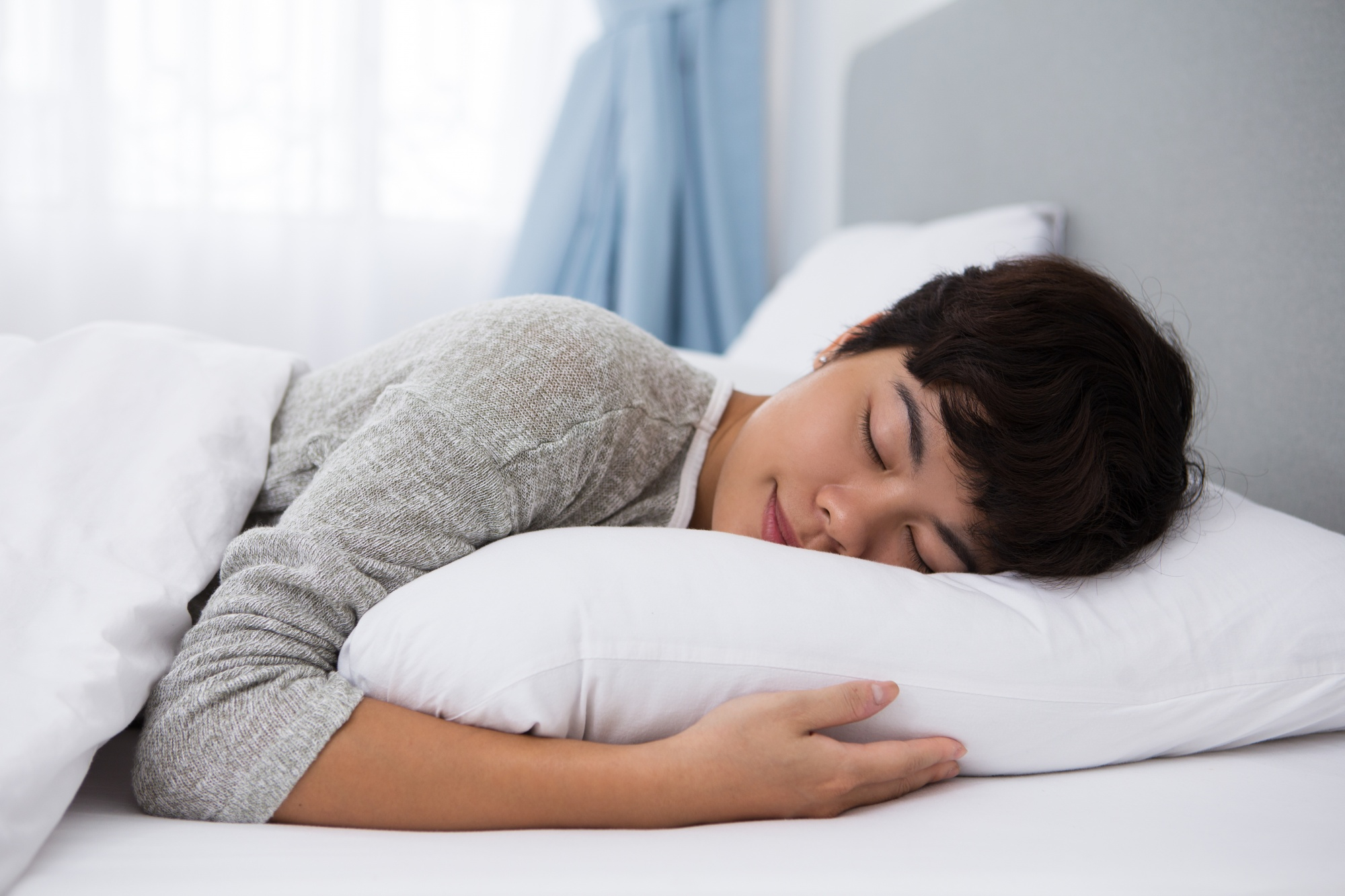
It's 3:15 PM.
Your lunch is done.
Your inbox is finally under control.
You have just enough time for a quick nap before getting back to work.
You lie down expecting to drift off effortlessly.
Instead, you're adjusting your pillow.
Switching positions.
Trying to find a comfortable spot.
Twenty minutes later, your nap is over before it even began.
The problem might not be your schedule.
It might not even be your sleep habits.
It could be your mattress.
While most people choose a mattress for nighttime sleep, very few think about how it performs during a short daytime nap. Yet the ability to relax quickly is one of the most important factors in daytime recovery.
At Napmunks, we believe a mattress should support both overnight sleep and short recovery breaks because rest isn't limited to bedtime.
What Makes a Mattress Good for Afternoon Naps?
A nap is very different from a full night's sleep.
At night, your body has time to settle into deeper sleep stages.
During a nap, you only have a short window to relax.
That means your mattress needs to help your body become comfortable quickly.
The best mattress for afternoon naps typically offers:
- Balanced support
- Pressure relief
- Breathability
- Comfortable surface feel
- Proper spinal alignment
A mattress that feels too firm may create pressure points.
A mattress that feels too soft may allow excessive sinking.
The ideal balance sits somewhere in the middle.
This philosophy is one reason products such as the NapSense Mattress are designed around comfort and support rather than softness alone.
Why Comfort Matters More During a Nap
Many people assume naps are easier than sleep.
In reality, they can be harder.
Your body doesn't have hours to settle down.
You may only have 15–30 minutes.
A mattress that immediately supports relaxation can significantly improve the quality of that recovery period.
This is one reason why people often notice dramatic differences between beds when taking naps, even if they sleep reasonably well at night.
The Hidden Role of Mattress Support
When most people shop for a mattress, they focus on softness.
But support is often more important.
Support helps maintain proper alignment of:
- Neck
- Shoulders
- Spine
- Hips
A supportive mattress allows muscles to relax rather than compensate for poor posture.
This is something we discuss in greater detail in Why Mattress Support Matters More Than Mattress Softness.
For naps especially, support can be the difference between waking up refreshed and waking up stiff.
Why Pressure Relief Matters for Daytime Recovery
Pressure relief refers to how effectively a mattress distributes body weight.
Without adequate pressure relief, areas such as:
- Shoulders
- Hips
- Lower back
may experience discomfort.
This discomfort can prevent the body from fully relaxing.
The result?
You spend more time adjusting your position and less time actually resting.
The best nap-friendly mattresses are designed to minimize pressure points while maintaining support.
Napmunks Insight: Naps Are About Recovery, Not Sleep
One of the biggest misconceptions about naps is that they're simply short sleeps.
They're not.
A nap is a recovery tool.
The goal isn't necessarily deep sleep.
The goal is:
- Recharging energy
- Improving focus
- Reducing mental fatigue
- Supporting recovery
This is why creating a comfortable sleep environment matters so much.
Products within the Napmunks sleep collection are designed around the idea that recovery should feel effortless.
Can Your Pillow Affect Nap Quality?
Absolutely.
Many people blame their mattress when their pillow is actually causing the problem.
Poor pillow support may contribute to:
- Neck stiffness
- Shoulder discomfort
- Interrupted naps
A supportive Napmunks pillow helps maintain proper alignment and allows the body to relax more quickly.
You can learn more in How Pillows Affect Spinal Alignment During Sleep.
Temperature Plays a Bigger Role Than You Think
One of the fastest ways to ruin a nap is overheating.
A mattress that traps heat can make it difficult to relax, especially during Indian summers.
This is why breathability and temperature management are important considerations when choosing a mattress.
If heat affects your sleep quality, our guide on Best Mattress for Hot Weather in India explains how temperature influences recovery and comfort.
What About Mattress Materials?
The materials inside a mattress influence:
- Comfort
- Support
- Durability
- Recovery performance
Foam quality, in particular, plays a major role.
Higher-quality foam helps maintain support and comfort over time.
This is why understanding What Makes High-Quality Foam Different From Ordinary Foam? can help explain why some mattresses consistently feel comfortable while others lose performance.
Which Napmunks Mattress Is Best for Afternoon Naps?
The answer depends on personal preference.
However, most people looking for daytime recovery benefit from a mattress that balances comfort and support.
The NapSense Mattress is designed for balanced comfort and pressure relief, making it a strong option for both overnight sleep and daytime naps.
For people seeking enhanced support and recovery-focused comfort, the NapRelief Mattress offers another excellent option.
Both are part of the broader Napmunks sleep collection designed to support better rest throughout the day.
Creating the Perfect Afternoon Nap Setup
A great nap involves more than a mattress.
Consider:
A Supportive Mattress
Helps the body relax quickly.
A Proper Pillow
Maintains alignment.
A Comfortable Comforter
Provides comfort without overheating.
A Quiet Environment
Reduces interruptions.
A Short Nap Duration
Most experts recommend 10–20 minutes.
Together, these factors create an environment that supports effective recovery.
Why Napmunks Focuses on Recovery
Most mattress brands talk about sleep.
We talk about recovery.
Because whether you're sleeping for eight hours or napping for twenty minutes, the goal remains the same:
Helping your body recharge.
The right mattress isn't just about comfort.
It's about creating an environment where recovery can happen naturally.
Learn more about our philosophy on the About Napmunks page.
Conclusion
The best mattress for afternoon naps isn't necessarily the softest mattress.
It's the one that helps your body relax quickly, supports proper alignment, relieves pressure, and promotes recovery.
A great nap should leave you feeling refreshed, focused, and ready for the rest of your day.
Because sometimes the most productive part of your afternoon is a well-earned nap.
Explore the NapSense Mattress, NapRelief Mattress, Napmunks pillows, and the complete Napmunks sleep collection to build your ideal recovery setup.
FAQs
What type of mattress is best for afternoon naps?
Most people benefit from a mattress that balances comfort, support, and pressure relief.
Can a mattress affect nap quality?
Yes. Comfort, support, temperature regulation, and pressure relief all influence daytime recovery.
Is a soft mattress better for naps?
Not necessarily. Excessive softness may reduce support and affect alignment.
Can a pillow improve nap quality?
Absolutely. Proper pillow support helps maintain neck alignment and improve comfort.
How long should an afternoon nap be?
Most sleep experts recommend 10–20 minutes for improved alertness and recovery without grogginess.