
The Difference Between Comfort and Support
Most people evaluate comfort first.
That makes sense.
Comfort is immediate.
Support is something you notice later.
Comfort is how a mattress feels when you first lie down.
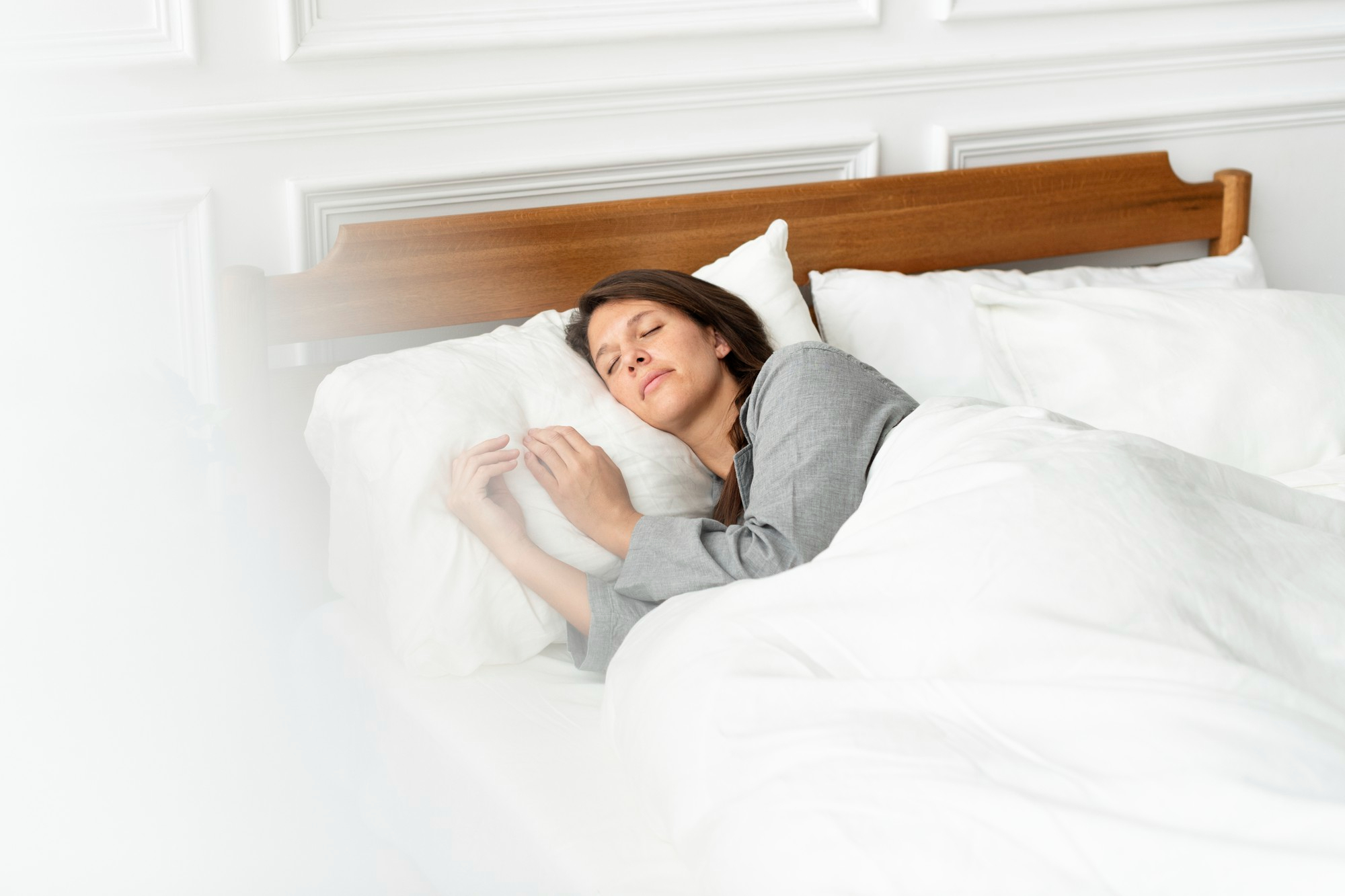
Support is how your body feels when you wake up.
A mattress can feel extremely comfortable at first but fail to provide proper support throughout the night.
This is why understanding Which Mattress Firmness Is Best for You? is often more important than choosing the softest mattress in the showroom.
Why Soft Doesn't Always Mean Better
One of the biggest mistakes buyers make is assuming softness equals comfort.
Initially, softer mattresses often feel more luxurious.
However, over several hours, excessive sinkage can place stress on:
- Lower back
- Hips
- Shoulders
- Spine
This doesn't mean soft mattresses are bad.
It simply means the mattress must balance softness with support.
Products such as the NapSense Mattress are designed to provide pressure relief without sacrificing stability, helping sleepers remain comfortable throughout the night.
Napmunks Insight: The Showroom Test Problem
Here's something we've consistently observed.
Most people spend:
- 5 to 10 minutes testing a mattress
- 6 to 8 hours sleeping on it
Yet they make the buying decision based on the shorter experience.
A mattress showroom cannot replicate:
- Your sleeping position
- Overnight body movement
- Temperature changes
- Pressure buildup
- Recovery needs
That's why mattress selection should focus on how you'll feel after waking up, not just how you feel while testing it.
Your Body Changes During the Night
When you first lie down, your muscles are still active.
As sleep progresses:
- Muscles relax
- Pressure points increase
- Body weight settles differently
- Temperature changes
A mattress that initially feels supportive may begin to feel very different after several hours.
This is one reason why long-term comfort depends heavily on material quality.
Understanding Why Foam Density Matters More Than Mattress Thickness can help explain why some mattresses maintain performance while others quickly lose support.
Temperature Changes Everything
Many people overlook temperature when evaluating comfort.
A mattress that feels cool and comfortable in an air-conditioned showroom may perform differently in a real bedroom environment.
This becomes especially important in India where:
- Humidity is high
- Summers are intense
- Bedrooms vary significantly in temperature
If you often wake up feeling warm, our guide on Best Mattress for Hot Weather in India explains how temperature influences sleep quality.
Why Hotels Often Get It Right
Have you ever noticed how comfortable hotel beds feel?
Hotels face a unique challenge.
Their mattresses must work for:
- Different body types
- Different sleeping positions
- Different comfort preferences
Because of this, hospitality sleep systems often focus on balanced comfort rather than extreme softness or firmness.
This is one reason travelers often report sleeping better away from home.
We explore this in greater detail in Why Hotel Beds Feel More Comfortable Than Home Beds.
Pillows Matter More Than People Realize
Sometimes the mattress isn't the problem at all.
Poor pillow support can affect:
- Neck alignment
- Shoulder comfort
- Sleep posture
Many people who blame their mattress actually discover that their pillow is contributing to the issue.
This is why pairing a mattress with a supportive Napmunks pillow can significantly improve overall sleep comfort.
You can learn more in Best Pillow for Neck Pain and Shoulder Stiffness.
Why High-Quality Materials Make a Difference
A mattress should perform consistently.
Not just for a week.
Not just for a month.
For years.
Material quality affects:
- Durability
- Pressure relief
- Temperature regulation
- Long-term support
This is why many sleepers prefer products such as the NapRelief Mattress, which are designed around lasting comfort rather than short-term showroom appeal.
What Should You Look for Instead?
When evaluating a mattress, ask yourself:
Will This Support Me All Night?
Not just for ten minutes.
Does It Match My Sleeping Position?
Side, back, and stomach sleepers have different needs.
Does It Regulate Temperature?
Especially important in Indian climates.
Will It Maintain Comfort Over Time?
Material quality matters.
Does It Help Me Wake Up Feeling Better?
Ultimately, this is the most important question.
Why Napmunks Approaches Comfort Differently
At Napmunks, we don't believe comfort should disappear after the first impression.
We believe great sleep products should support:
- Nighttime sleep
- Afternoon naps
- Daily recovery
- Long-term comfort
That's why our focus extends beyond softness alone.
True comfort comes from balancing pressure relief, support, temperature control, and durability.
Learn more about our approach on the About Napmunks page.
Conclusion
A mattress that feels amazing for ten minutes isn't necessarily the right mattress for eight hours.
The best mattress isn't the one that creates the strongest first impression.
It's the one that helps you wake up feeling refreshed, supported, and recovered.
When evaluating your next mattress, think beyond showroom comfort.
Think about how you'll feel tomorrow morning.
Explore the NapSense Mattress, NapRelief Mattress, and the complete Napmunks sleep collection to discover sleep solutions designed for real-world comfort.
FAQs
Why does a mattress feel different at home than in a showroom?
Showrooms cannot replicate overnight sleep conditions such as body relaxation, temperature changes, and extended pressure on support layers.
Is a softer mattress always more comfortable?
Not necessarily. Comfort depends on the balance between softness and support.
Why do I wake up uncomfortable on a mattress that felt great in the store?
A mattress may provide initial comfort but lack the long-term support needed during several hours of sleep.
Does foam quality affect comfort?
Yes. Higher-quality materials typically maintain support and pressure relief more consistently over time.
How long should I test a mattress before buying?
While showroom testing helps, understanding material quality, support characteristics, and sleep needs is often more valuable than a short trial.