
Your body doesn't maintain exactly the same temperature throughout the night.
As you move through different stages of sleep, your body naturally manages heat differently. Your bedroom temperature, humidity, bedding, sleepwear and mattress can all influence how comfortable you feel.
This is why some people wake up feeling perfectly comfortable while others find themselves throwing off the blanket, turning the pillow over or searching for a cooler side of the bed.
The mattress itself can play a surprisingly important role.
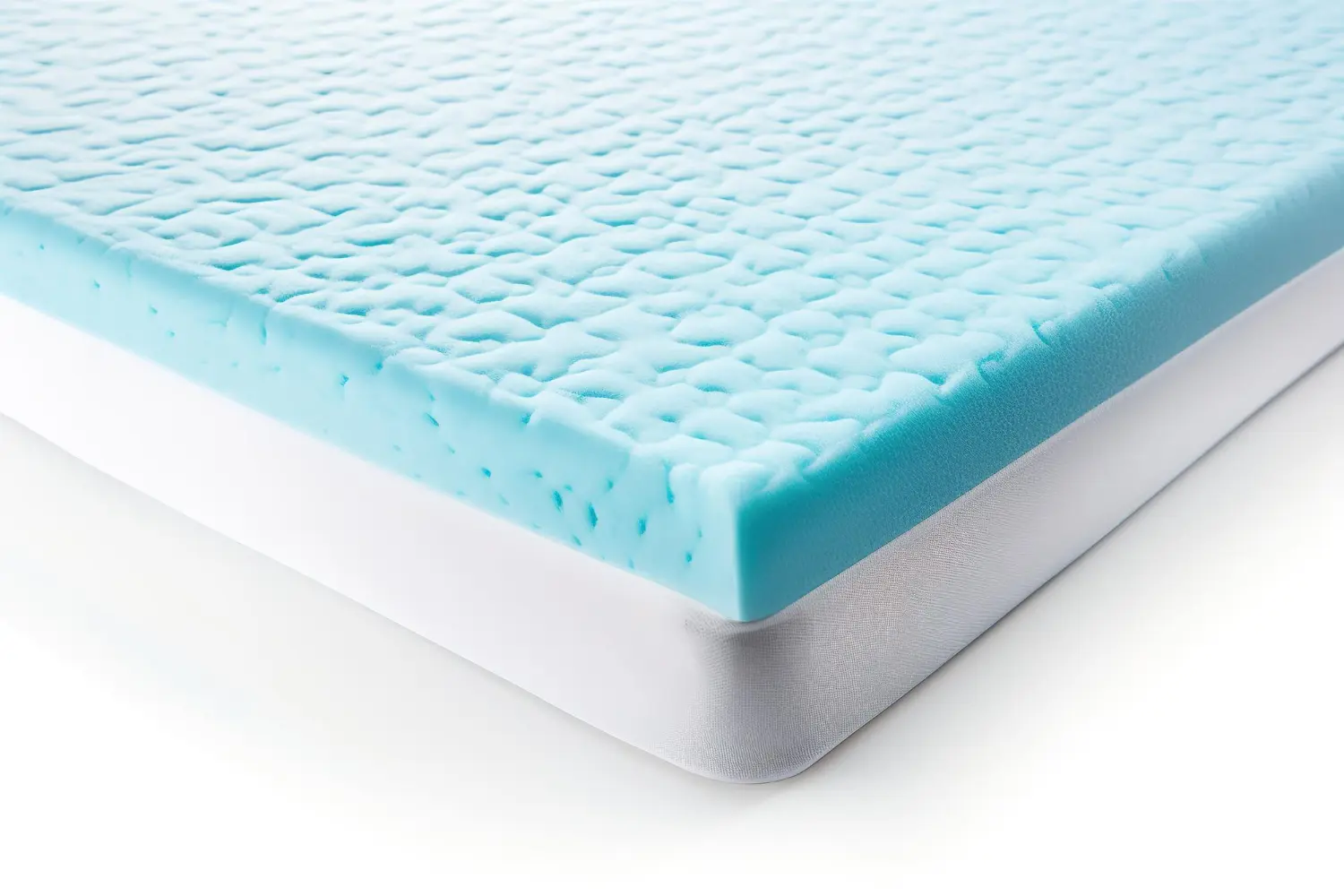
A temperature-regulating mattress is designed to help manage the heat around your body rather than simply making the surface feel cold.
For sleepers who are particularly conscious of nighttime temperature, the NapChill Mattress is one of the Napmunks products worth exploring.
In this guide, we'll explain what temperature regulation actually means, why mattresses can feel warm, how cooling technologies work, and who may benefit from a temperature-conscious mattress.
What Is a Temperature-Regulating Mattress?
A temperature-regulating mattress is designed to help create a more balanced sleeping environment by managing heat and airflow around the sleeping surface.
The objective isn't necessarily to make the mattress feel cold.
Instead, the mattress should help prevent excessive warmth from accumulating around the body while maintaining comfortable support.
This distinction is important.
A mattress can feel cool when you first lie down but become noticeably warmer several hours later.
Temperature regulation focuses on the overall sleeping experience, rather than just the initial sensation.
If you're interested in the broader technology behind cooling mattresses, read Cooling Mattresses Explained: How Temperature-Regulating Sleep Technology Works.
Why Does Your Mattress Affect Body Temperature?
Your mattress is in contact with your body for several hours every night.
That means the materials and construction underneath you influence how heat behaves around your sleeping surface.
Several factors can affect this.
Heat Retention
Some mattress materials can retain more of the heat produced by your body.
When that heat isn't dissipated efficiently, the sleeping surface can gradually feel warmer.
Airflow
Air movement helps prevent heat and moisture from becoming concentrated around the body.
Mattress construction therefore needs to consider breathability as well as comfort.
Body Contouring
A highly contouring mattress can create greater contact between your body and the sleeping surface.
This can be comfortable, but the amount of contact can also influence how warm the mattress feels.
Surface Materials
The fabric and materials closest to your body can also influence the initial feel and overall temperature experience.
A mattress is therefore more than its foam or support layer.
The entire construction contributes to how it behaves during sleep.
What Is the Difference Between Cooling and Temperature Regulation?
The two terms are often used interchangeably, but they're not necessarily identical.
Cooling
Cooling usually refers to technologies or materials designed to create a cooler-feeling sleeping surface or reduce heat retention.
Temperature Regulation
Temperature regulation takes a broader approach.
Instead of simply making the mattress feel cooler, it focuses on managing heat so that the sleeping environment remains more comfortable over time.
This is why a temperature-regulating mattress doesn't necessarily need to feel cold.
The objective is balance.
If you want to understand why this matters, read Why Does Your Mattress Feel Hot at Night? How NapBreeze Helps You Sleep Cooler.
Why Do Some Mattresses Get Warmer After a Few Hours?
This is a common experience.
You lie down at night and the mattress initially feels comfortable.
Several hours later, you wake up feeling noticeably warmer.
Why?
Your body continuously releases heat.
As you remain in contact with the same sleeping surface, that heat can accumulate if the mattress isn't designed to manage it effectively.
The bedroom may also become warmer or more humid during the night.
Bedding can add another layer of insulation.
This is why mattress temperature should be considered as part of the complete sleep environment rather than viewed in isolation.
How Does Mattress Construction Influence Temperature?
A mattress isn't made from one material.
Different layers can perform different functions.
Comfort Layers
The upper layers determine much of the immediate interaction between your body and the mattress.
Their responsiveness, density and construction can influence both comfort and heat management.
Support Layers
The deeper layers provide structural support and can also influence how air moves through the mattress.
Surface Layer
The outer fabric is the first material your body comes into contact with.
Its feel and breathability can influence the overall sleeping experience.
Overall Layer Design
Ultimately, the layers need to work together.
Good mattress engineering considers comfort, support, durability and temperature rather than treating each characteristic separately.
For more on mattress construction, read How Modern Mattresses Are Engineered for Better Sleep.
Why Does Temperature Matter More for Some Sleepers?
Everyone experiences temperature differently.
Some people naturally sleep warm, while others prefer a warmer sleeping environment.
Your climate also matters.
People living in warmer or more humid parts of India may notice temperature issues more frequently, particularly during summer.
A temperature-conscious mattress can therefore be especially relevant if you regularly experience:
- Sweating while sleeping
- Feeling hot under your bedding
- Restlessness caused by warmth
- Frequently turning your pillow to find a cooler surface
- Waking up because you're too warm
- A mattress that feels increasingly hot throughout the night
These experiences don't automatically mean you need a cooling mattress, but they are useful signs to consider temperature management when replacing your mattress.
Is a Temperature-Regulating Mattress Useful in India?
It can be.
India has significant variations in climate, but many regions experience warm temperatures for a substantial part of the year.
Humidity can make nighttime heat even more noticeable.
This makes temperature management a relevant consideration for many Indian sleepers.
However, climate isn't the only factor.
Someone who sleeps warm in an air-conditioned bedroom may still prefer a mattress with better temperature regulation.
Similarly, someone who rarely feels hot may prioritise other characteristics such as pressure relief or support.
The right mattress depends on the individual.
For broader guidance, read Best Mattress for Hot Weather in India: How to Sleep Cooler During Summer and Humid Nights.
Why NapChill Is Designed for Temperature-Conscious Sleep
The NapChill Mattress is part of the Napmunks range for sleepers who place greater importance on a cooler, more comfortable sleeping environment.
Rather than treating temperature as a secondary consideration, NapChill is positioned around temperature-conscious sleep.
It can be considered by people looking for:
- Cooler-feeling sleep
- Temperature-conscious mattress construction
- Comfortable everyday support
- A more balanced sleeping environment
- Mattress technology designed around modern sleep needs
The goal isn't to create an artificially cold sleeping surface.
It's to provide a more comfortable experience for people who are particularly aware of nighttime temperature.
Who Should Consider NapChill?
People Who Sleep Warm
If you regularly wake up feeling too warm, temperature management should be part of your mattress-buying decision.
NapChill is a natural product to explore within the Napmunks range.
People Living in Warmer Climates
If your bedroom is naturally warm for much of the year, a mattress designed with temperature in mind can contribute to a more comfortable sleep environment.
People Who Prefer Cooler Bedding
Some people simply sleep better when their sleeping surface feels fresh and breathable.
For these sleepers, temperature regulation can be an important comfort feature.
People Looking Beyond Traditional Mattress Construction
Modern mattress buyers increasingly look at more than firmness and thickness.
They consider cooling, airflow, pressure distribution, motion isolation and material engineering.
NapChill fits into this broader movement toward technology-focused sleep products.
You can explore the wider trend in Traditional vs Modern Mattresses: How Technology Is Changing the Way We Sleep.
NapChill vs Simply Sleeping With the AC On
A cooler bedroom and a cooler-feeling mattress aren't exactly the same thing.
Air conditioning changes the temperature of the surrounding room.
Your mattress remains directly underneath your body throughout the night.
This creates two separate aspects of temperature management:
Room environment: affected by AC, fans, ventilation and humidity.
Sleeping surface: affected by your mattress, sheets, comforter and sleepwear.
Using AC can therefore help reduce room temperature while your mattress still influences how warm you feel in direct contact with the bed.
This is one reason temperature-conscious mattress construction can remain relevant even in an air-conditioned bedroom.
What Else Can You Do to Sleep Cooler?
Your mattress is only one part of the equation.
Small changes to your sleep environment can also make a difference.
Choose Breathable Bedding
Heavy or highly insulating bedding can make you feel warmer even if your mattress manages heat effectively.
The Napmunks Comforter can be considered when building a complete sleep setup.
You can also learn about different bedding options in Comforter vs Blanket: What's the Difference and Which One Should You Choose?.
Keep Your Bedroom Comfortable
Ventilation, fans and air conditioning can all influence the surrounding environment.
Consider Your Sleepwear
Lightweight, breathable sleepwear can help prevent unnecessary warmth.
Don't Ignore Humidity
High humidity can make warm temperatures feel even more uncomfortable.
Managing humidity can therefore be just as relevant as lowering room temperature.
How to Choose a Temperature-Regulating Mattress
If you're comparing temperature-conscious mattresses, don't choose based solely on the word "cooling."
Look at the complete product.
Understand the Materials
Find out what materials and foam types are used and how they're intended to influence comfort and airflow.
Look at the Construction
A mattress should be designed as a complete system.
Cooling shouldn't depend on a single marketing feature.
Consider Your Sleeping Environment
Think about your climate, bedroom ventilation, AC usage and bedding.
Consider Your Personal Preferences
If you rarely sleep warm, support or pressure relief may be more important to you.
If temperature regularly disrupts your sleep, it should move higher up your priority list.
Consider Long-Term Comfort
A mattress isn't just about how it feels during the first few minutes.
Think about how it is likely to perform throughout the night and over years of use.
Frequently Asked Questions
What is a temperature-regulating mattress?
A temperature-regulating mattress is designed to help manage heat and airflow around the sleeping surface, creating a more balanced and comfortable sleeping environment.
Is a temperature-regulating mattress the same as a cooling mattress?
Not necessarily. Cooling focuses on reducing or managing heat and creating a cooler feel, while temperature regulation takes a broader approach to maintaining a comfortable sleeping temperature over time.
Why does my mattress feel hot after a few hours?
Body heat can accumulate around the sleeping surface when it isn't dissipated efficiently. Mattress materials, construction, bedding, room temperature and humidity can all contribute.
Do temperature-regulating mattresses work in hot climates?
They can be particularly relevant in warmer climates because temperature becomes a more important part of nighttime comfort. Individual preferences and bedroom conditions should still be considered.
Can a mattress stay cool all night?
No mattress can guarantee a specific temperature throughout the night because your body, room and bedding continuously influence the sleeping environment. Temperature-conscious construction is intended to help manage heat rather than eliminate it completely.
Does AC make a cooling mattress unnecessary?
Not necessarily. AC affects the room environment, while the mattress remains in direct contact with your body. Both can contribute to overall temperature comfort.
Is NapChill suitable for hot sleepers?
The NapChill Mattress is designed for sleepers who are particularly interested in temperature-conscious and cooling-focused comfort.
What is the difference between NapChill and NapBreeze?
Both are part of the Napmunks range for sleepers interested in cooler sleep. You can explore the NapChill Mattress and NapBreeze Mattress individually to determine which product better matches your preferred sleeping experience.
Continue Reading
If you're researching cooling, temperature regulation and modern mattress technology, explore:
- Cooling Mattresses Explained: How Temperature-Regulating Sleep Technology Works
- Why Does Your Mattress Feel Hot at Night? How NapBreeze Helps You Sleep Cooler
- Best Mattress for Hot Sleepers in India: Can Cooling Technology Actually Help?
- How Cooling Technology Is Changing the Way India Sleeps
- Best Mattress for Hot Weather in India: How to Sleep Cooler During Summer and Humid Nights
- Traditional vs Modern Mattresses: How Technology Is Changing the Way We Sleep
Final Thoughts
A mattress doesn't need to feel cold to provide a cooler sleeping experience.
What matters is how effectively the overall construction manages heat, airflow and comfort while you remain in contact with the sleeping surface throughout the night.
For sleepers who regularly feel warm, live in a hot or humid climate, or simply prefer a cooler sleeping environment, temperature regulation is worth considering alongside support, firmness and pressure relief.
The NapChill Mattress is designed for sleepers who want temperature-conscious comfort as part of their everyday sleep experience.
If you're still deciding which type of mattress is right for you, explore the complete Napmunks Mattress Collection and compare the different approaches to comfort, support and temperature management.