
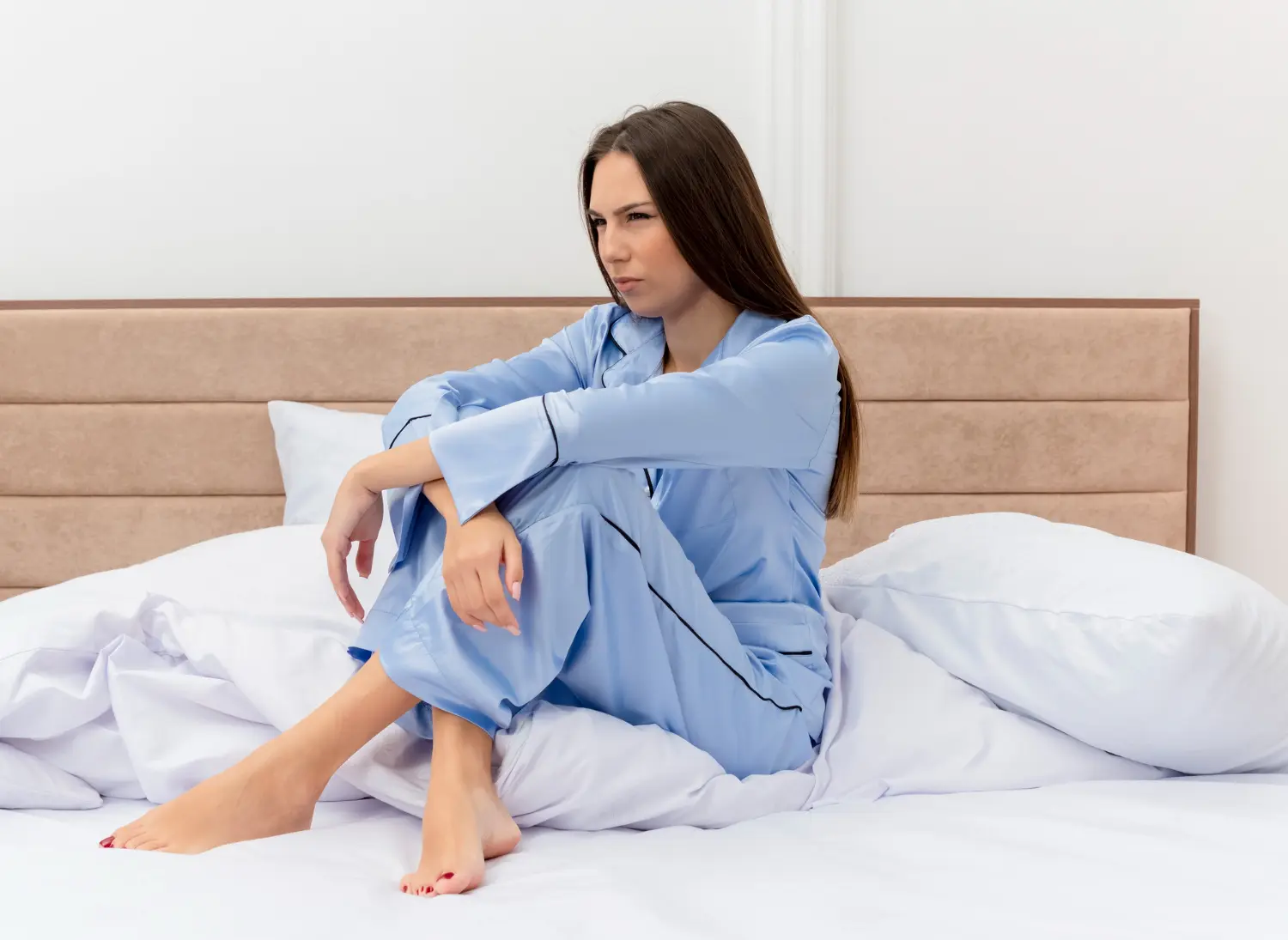
A mattress can look perfectly fine and still feel wrong when you sleep on it.
You may lie down at night feeling comfortable, only to start shifting positions after a few hours. Your shoulders may feel like they're carrying too much pressure. Your hips may feel uncomfortable. Or you may simply find yourself unable to settle into one position.
Sometimes, the problem isn't that your mattress is too hard or too soft.
It may be that the mattress isn't distributing pressure in a way that works for your body.
This is where pressure relief becomes an important part of mattress design.
A pressure-relieving mattress is designed to respond to the body and distribute weight across the sleeping surface rather than allowing too much pressure to concentrate around particular contact points.
For sleepers specifically looking for this type of comfort, the NapRelief Mattress is the Napmunks product to explore.
Why Can a Mattress Feel Uncomfortable After a Few Hours?
One of the biggest mistakes people make when buying a mattress is testing it for only a few minutes.
A mattress can feel comfortable when you first lie down and become less comfortable after several hours.
Why?
Because your body remains in contact with the same surface for a long period.
The way your weight is distributed, your sleeping position and the mattress's ability to respond to your body all become more important over time.
This is why the real test of a mattress isn't just:
"Does it feel comfortable right now?"
It's:
"Does it continue to feel comfortable as I sleep?"
This is also the idea behind Why Some Mattresses Feel Comfortable for 10 Minutes but Not 8 Hours.
What Is Pressure Relief in a Mattress?
Pressure relief refers to how effectively a mattress distributes the load created by your body across the sleeping surface.
Your body doesn't have a completely uniform shape.
Some areas naturally make more contact with the mattress than others.
Depending on your sleeping position, areas such as the shoulders and hips may experience greater pressure.
A mattress with responsive cushioning can adapt to these areas and create a more balanced interaction between your body and the sleeping surface.
The objective isn't simply to make the mattress softer.
It's to make the mattress respond appropriately to the body.
Is Pressure Relief the Same as Softness?
No.
This distinction is extremely important.
A soft mattress can feel comfortable initially because your body sinks into the surface.
But softness by itself doesn't guarantee effective pressure distribution.
Similarly, a very firm mattress isn't automatically better at supporting your body.
Pressure relief and support need to work together.
A well-designed mattress can provide cushioning where your body needs it while maintaining appropriate support underneath.
This is why Why Mattress Support Matters More Than Mattress Softness is an important part of understanding mattress comfort.
Which Parts of Your Body Experience the Most Mattress Pressure?
Pressure distribution varies from person to person.
Several factors influence it.
Your Sleeping Position
Side sleepers generally create greater contact pressure around the shoulders and hips.
Back sleepers distribute their weight differently across the sleeping surface.
Combination sleepers constantly change how their weight interacts with the mattress.
Your sleeping position therefore has a significant influence on the type of comfort you need.
Your Body Shape
Two people with similar body weights can interact very differently with the same mattress.
Body proportions and weight distribution affect how much pressure is placed on individual contact points.
Mattress Construction
The materials and layers inside the mattress determine how it responds to your body.
A responsive comfort layer can accommodate pressure more effectively than a rigid surface.
This is one reason modern mattress construction matters so much.
Learn more in How Modern Mattresses Are Engineered for Better Sleep.
How Does a Pressure-Relieving Mattress Work?
The basic principle is relatively simple.
When you lie down, your body applies pressure to the mattress.
A responsive comfort layer reacts to that pressure.
Instead of forcing your body to rest entirely on a uniform surface, the mattress adapts to your shape.
This can create:
- A larger contact area
- More balanced weight distribution
- Greater cushioning around pressure points
- A more accommodating sleeping surface
The underlying support layers then help prevent excessive sinking.
This combination is what makes pressure relief different from simply adding more softness.
Why Do Shoulders and Hips Need More Attention?
The shoulders and hips can become significant pressure points for side sleepers.
When sleeping on your side, these areas can press more directly into the mattress.
If the sleeping surface doesn't accommodate them sufficiently, the mattress can feel uncomfortably hard around those points.
A responsive comfort layer can allow these areas to settle into the mattress while maintaining support underneath.
This is one reason pressure relief is often an important consideration when choosing a mattress for side sleeping.
Who May Benefit From Pressure-Relieving Comfort?
Pressure relief isn't limited to one type of sleeper.
Side Sleepers
Side sleepers may particularly appreciate cushioning around the shoulders and hips.
The mattress needs to accommodate these areas without allowing the rest of the body to sink excessively.
People Who Prefer a More Cushioned Feel
Some sleepers simply prefer a mattress that feels more accommodating around the body.
Pressure-focused construction can provide this type of experience without requiring an extremely soft mattress.
People Who Move Frequently During Sleep
Combination sleepers may benefit from a mattress that responds consistently as they move between positions.
People Replacing an Uncomfortable Mattress
If your current mattress frequently feels uncomfortable at certain contact points, pressure distribution is worth considering when choosing your replacement.
Why NapRelief Is Designed Around Pressure-Focused Comfort
The NapRelief Mattress is the Napmunks option to explore when pressure-relieving comfort is a primary mattress requirement.
The idea behind a pressure-focused mattress isn't simply to create a softer sleeping surface.
It is to create a more balanced interaction between your body and the mattress.
NapRelief can therefore be relevant to sleepers looking for:
- Pressure-relieving comfort
- Body-responsive cushioning
- A more accommodating sleeping surface
- Balanced comfort and support
- Everyday sleep comfort
The right mattress will still depend on your sleeping position, preferred firmness and personal comfort preferences.
NapRelief vs Choosing a Very Soft Mattress
A common assumption is:
More softness = more pressure relief.
But this isn't necessarily true.
If a mattress is excessively soft, your body may sink more deeply than intended.
That can change how supported the rest of your body feels.
Pressure relief should therefore be considered as part of the entire mattress construction rather than as a synonym for softness.
The NapRelief Mattress is worth considering if you're specifically searching for pressure-focused comfort rather than simply looking for the softest mattress available.
NapRelief vs NapAlign: Pressure Relief or Support?
Pressure relief and support are closely connected but serve different purposes.
The NapRelief Mattress is the more natural starting point when your primary concern is how comfortably your body interacts with the mattress.
The NapAlign Mattress is the Napmunks option to explore when supportive comfort and alignment are your primary priorities.
In reality, a good mattress needs both cushioning and support.
The difference is which characteristic you want to prioritise.
If you're researching support more specifically, read How Does a Mattress Support Better Spinal Alignment? Why NapAlign Is Designed for Supportive Sleep.
NapRelief vs Memory Foam Comfort
Memory foam is often associated with pressure-relieving comfort because of its ability to contour around the body.
However, pressure relief isn't exclusive to one material.
It depends on the complete construction of the mattress and how its layers respond to the body.
If you specifically want the distinctive contouring experience associated with memory foam, explore the NapSense Mattress.
You can also read Why Does Memory Foam Feel So Comfortable? How NapSense Works for Better Sleep.
How to Know If You Need More Pressure Relief
Your current mattress can provide useful clues.
You may want to consider pressure-relieving construction if:
- Your shoulders feel uncomfortable after sleeping on your side.
- Your hips feel like they're carrying too much pressure.
- You frequently shift positions to find a comfortable spot.
- The mattress feels hard around specific contact points.
- The mattress feels comfortable initially but becomes uncomfortable later.
- You prefer a more cushioning, body-responsive sleeping surface.
These signs don't automatically mean you need a pressure-relief mattress.
But they can help you identify what your current mattress may be missing.
What Else Should You Consider Alongside Pressure Relief?
Pressure relief is important, but it shouldn't be your only consideration.
Support
A mattress needs to provide appropriate underlying support.
Firmness
Your preferred firmness can influence how the pressure-relieving layers feel.
Sleeping Position
Side, back and combination sleepers interact differently with the mattress.
Temperature
If you sleep hot, temperature management should also be considered.
If heat is one of your concerns, explore the NapBreeze Mattress or NapChill Mattress.
You can also read Why Does Your Mattress Feel Hot at Night? How NapBreeze Helps You Sleep Cooler.
Material Quality
The quality of the materials influences how consistently the mattress responds to your body.
Read What Makes High Quality Foam Different From Ordinary Foam for more context.
Frequently Asked Questions
What is pressure relief in a mattress?
Pressure relief refers to how a mattress distributes your body weight across the sleeping surface and accommodates areas that experience greater contact pressure.
Is pressure relief the same as a soft mattress?
No. A soft mattress may provide cushioning, but pressure relief depends on how effectively the mattress responds to the body while maintaining appropriate support.
Is a pressure-relief mattress good for side sleepers?
Pressure relief can be particularly relevant for side sleepers because the shoulders and hips can experience greater contact pressure in this position.
Why do my hips hurt on a firm mattress?
A firm sleeping surface may not provide enough cushioning for your body's contact points, depending on your sleeping position and individual body shape. This doesn't mean that every firm mattress will feel uncomfortable.
Can a mattress be too soft for pressure relief?
Yes. Excessive softness can allow the body to sink deeply and may reduce the sense of support. Pressure relief and softness aren't the same thing.
Is memory foam good for pressure relief?
Memory foam can provide a contouring and pressure-focused feel, but pressure relief depends on the complete mattress construction rather than the material name alone.
What is the difference between pressure relief and support?
Pressure relief concerns how the mattress accommodates and distributes body weight, while support concerns how effectively the mattress maintains the body's position and prevents excessive sinking.
Is NapRelief designed for pressure relief?
The NapRelief Mattress is the Napmunks product to explore when pressure-relieving comfort is your primary mattress requirement.
Should I choose NapRelief or NapAlign?
Choose NapRelief if pressure-focused comfort is your main priority. Explore NapAlign if supportive comfort and alignment are more important to you.
What should I look for in a pressure-relieving mattress?
Consider the mattress's comfort layers, support structure, materials, firmness, sleeping position and how the complete construction responds to your body.
Continue Reading
If you're researching pressure relief, support and mattress comfort, explore:
- Why Choose a Pressure-Relief Mattress? How NapRelief Helps Create More Comfortable Sleep
- Why Mattress Support Matters More Than Mattress Softness
- Why Some Mattresses Feel Comfortable for 10 Minutes but Not 8 Hours
- Memory Foam vs Orthopedic Mattress: Which One Is Better for Indian Sleepers
- How to Choose the Right Mattress Firmness for Better Sleep
Final Thoughts
If your mattress feels uncomfortable after several hours, the answer isn't always to find a softer or firmer mattress.
Sometimes the more important question is how effectively the mattress distributes pressure and responds to your body.
A well-designed pressure-relieving mattress can provide a more accommodating sleeping surface while still maintaining appropriate support underneath.
For sleepers specifically looking for pressure-focused comfort, the NapRelief Mattress is a natural place to start within the Napmunks range.
If your priority is different, you can explore NapAlign for supportive comfort, NapSense for memory-foam comfort, or the complete Napmunks Mattress Collection to find the product that best matches your sleeping needs.